

01
Start from what needs a decision
Work backward from the decisions the board actually needs to make this cycle — an approval, a hire, a budget change — and build the agenda around those. Status updates and informational items matter, but they shouldn't crowd out the time set aside for decisions.
A useful agenda item names the decision or outcome before it names the topic. "Approve Q3 hiring plan" is clearer than "People update" because directors immediately know what preparation and judgment are expected.
- What decision, approval, or discussion outcome is needed?
- Who owns the item and who should prepare context?
- What materials should directors read before the meeting?
- How much time is needed for a real discussion, not just presentation?
- Does an upcoming reporting date, AGM, or filing deadline force this onto the agenda now?
02
A structure that works for most boards
Most effective agendas follow a consistent shape meeting after meeting, so directors know what to expect and can prepare accordingly.
The exact order can change, but the principle should not: routine items should be handled efficiently, strategic decisions should receive protected time, and every action coming out of the meeting should be captured before adjournment.
- Call to order and approval of the prior meeting's minutes
- Consent agenda for routine, non-controversial items voted on as a group
- Reports (CEO, financial, committee) kept brief with detail in pre-read materials
- Decision items, each with clear context, options, and a recommendation
- Discussion items that don't require a vote this cycle
- Executive session, if needed, without staff present
- Adjournment and confirmation of next steps
03
Turn topics into well-scoped agenda items
The strongest board agendas avoid vague labels. Each agenda item should carry enough context that a director can understand why it is on the agenda, what pre-reading matters, and what kind of participation is expected.
A practical format is: title, owner, desired outcome, time estimate, context, materials, and expected decision. That structure keeps presenters from overloading the meeting with background and helps the chair protect time for the highest-value discussion.
- Weak: Finance update
- Strong: Review runway scenarios and approve revised hiring pace
- Weak: Product discussion
- Strong: Decide whether to prioritize enterprise onboarding in Q4 roadmap
04
Give directors real prep time
Materials should go out at least a few days before the meeting, not the night before. Directors who walk in having already read the financials and pre-reads spend meeting time on judgment and discussion instead of catching up.
If the board book is still changing, separate stable pre-reads from live metrics. Send the narrative and decision context early, then let the latest dashboard or financial view update closer to the meeting without forcing a full resend.
- Send the agenda and core materials five to seven days ahead when possible
- Mark late-changing materials clearly so directors know what changed
- Keep pre-reads concise enough that directors can realistically complete them
- Put detailed appendices behind the main decision context instead of in front of it
Where BoardKite helps
BoardKite's board book stays live rather than frozen at send time, so a late-changing number updates in place and directors always open the current version — no separate resend, and no need to manually flag which materials are still provisional.
05
Keep consent and discussion items separate
A consent agenda is useful when it prevents routine approvals from consuming discussion time. It becomes risky when teams hide meaningful judgment inside a bundle of items that directors are expected to approve quickly.
Use consent for genuinely routine items: prior minutes, standard reports, or administrative approvals that do not need debate. Anything with strategic, financial, legal, or reputational weight deserves its own agenda item and time allocation.
- Good consent item: approve prior minutes with no open changes
- Good consent item: receive a routine committee report
- Not a consent item: approve a major budget change
- Not a consent item: decide a strategic hiring or financing question
06
Where AI-assisted agenda planning helps
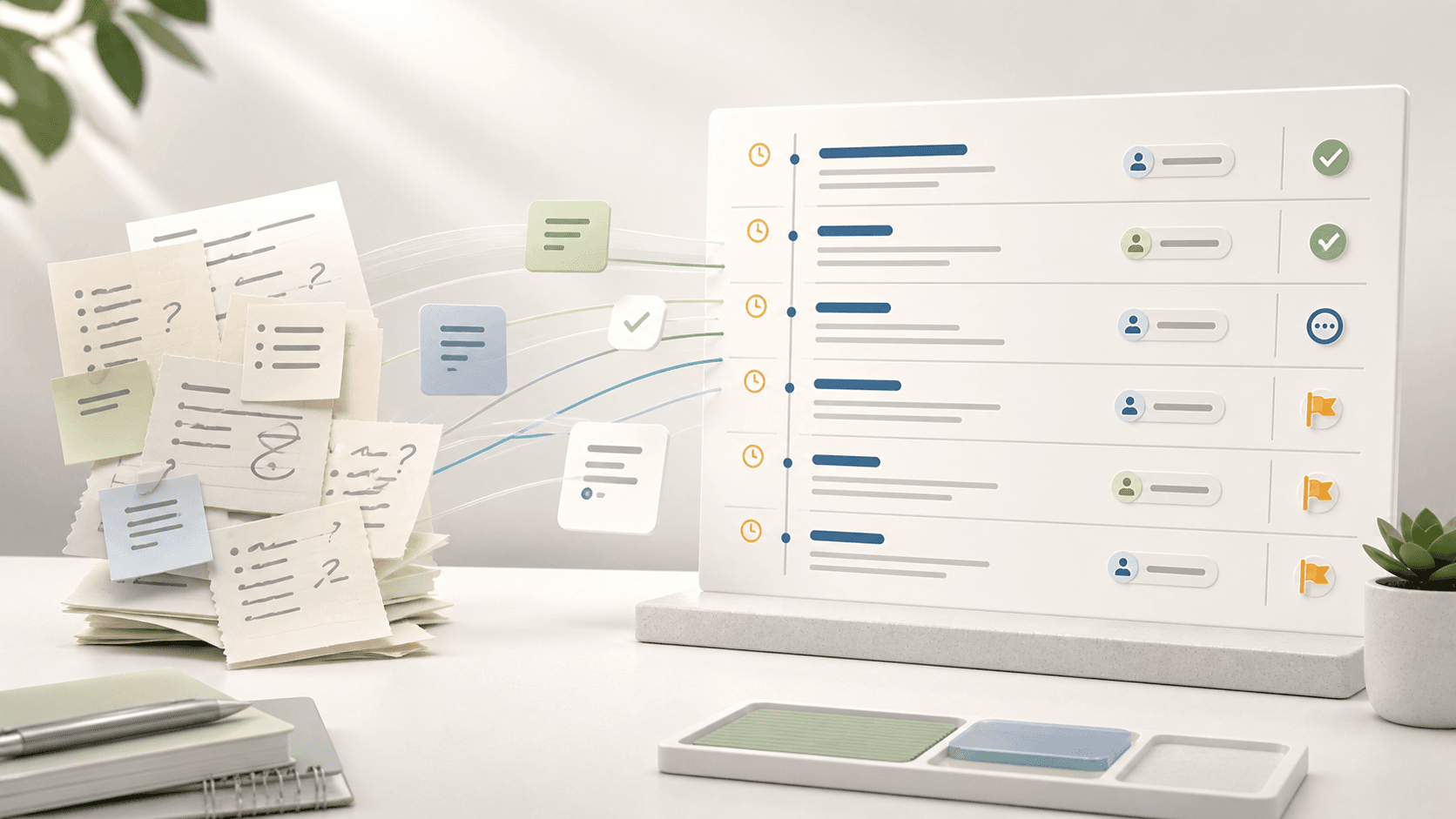
Some board tools, including BoardKite, can turn a list of priorities into a structured draft agenda automatically — pulling in relevant metrics or updates from connected systems so the agenda already reflects current status before anyone edits it by hand.
The best use of AI is not to decide what the board should discuss. It is to give the chair, CEO, or secretary a stronger first draft: suggested sections, owners, timing, context summaries, and links to recent decisions or action items that should inform the meeting.
- Draft a first agenda from priorities and recent board activity
- Suggest time allocations based on item type and decision weight
- Pull forward open decisions, overdue actions, or stale metrics
- Convert a rough topic list into agenda items with clearer outcomes
- Run on whichever AI provider your organization has configured, including a self-hosted or bring-your-own-key setup
Where BoardKite helps
This is BoardKite's agenda draft in practice: priorities, open decisions, unresolved actions, and upcoming board-calendar deadlines get pulled into a first structured draft automatically, using whichever AI provider your organization has configured — the hosted default or your own key — before a person reviews and adjusts it.